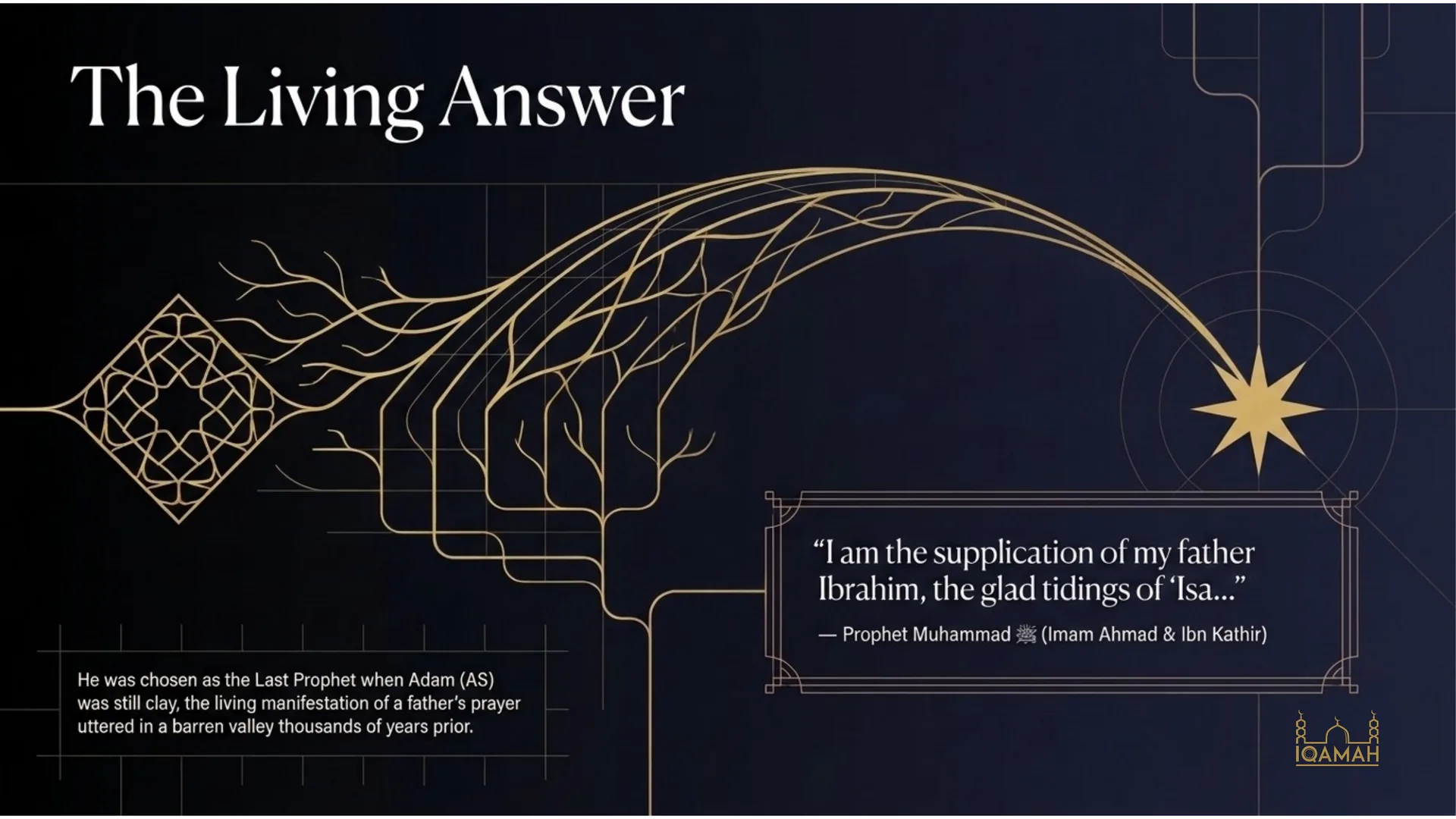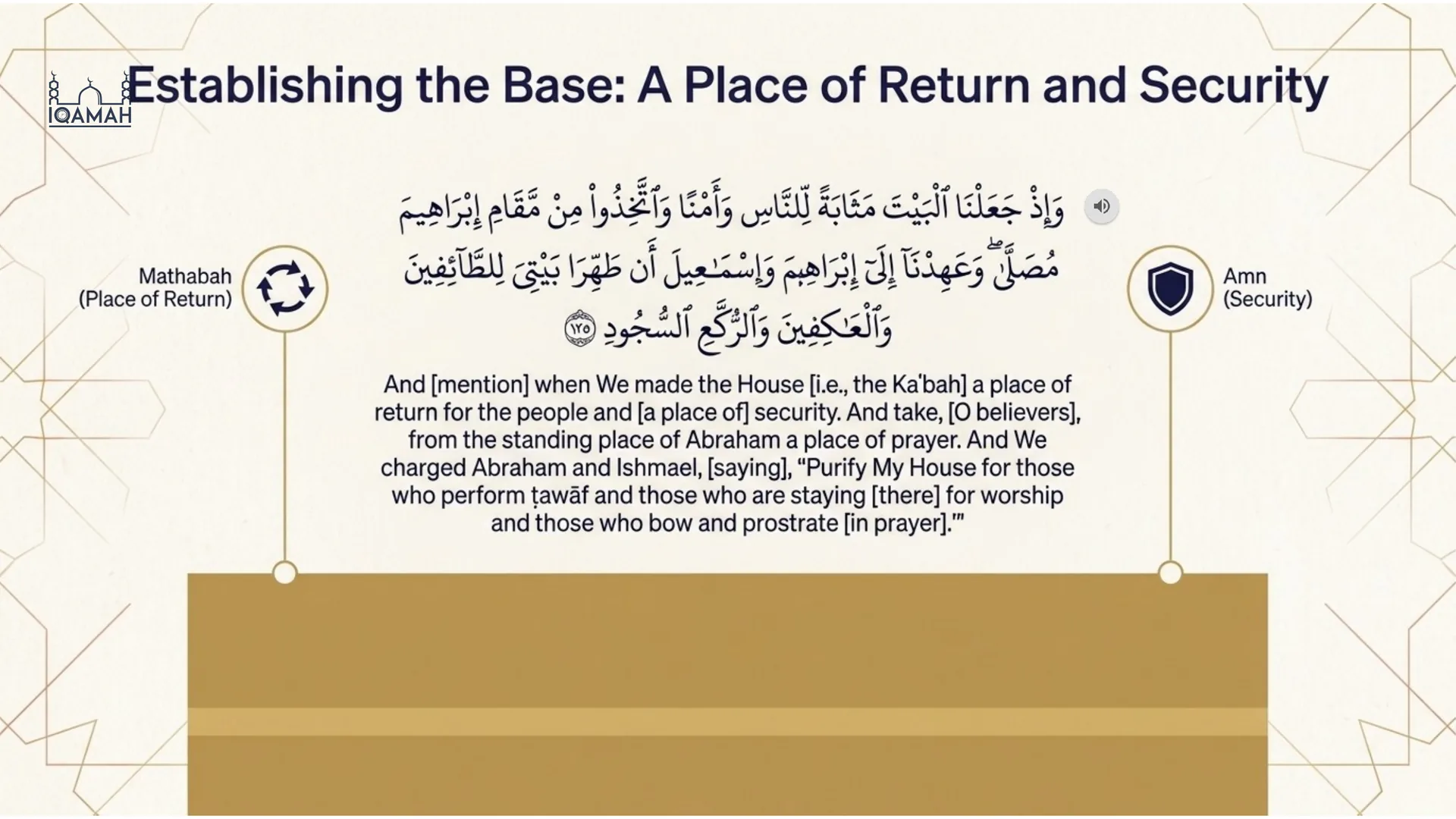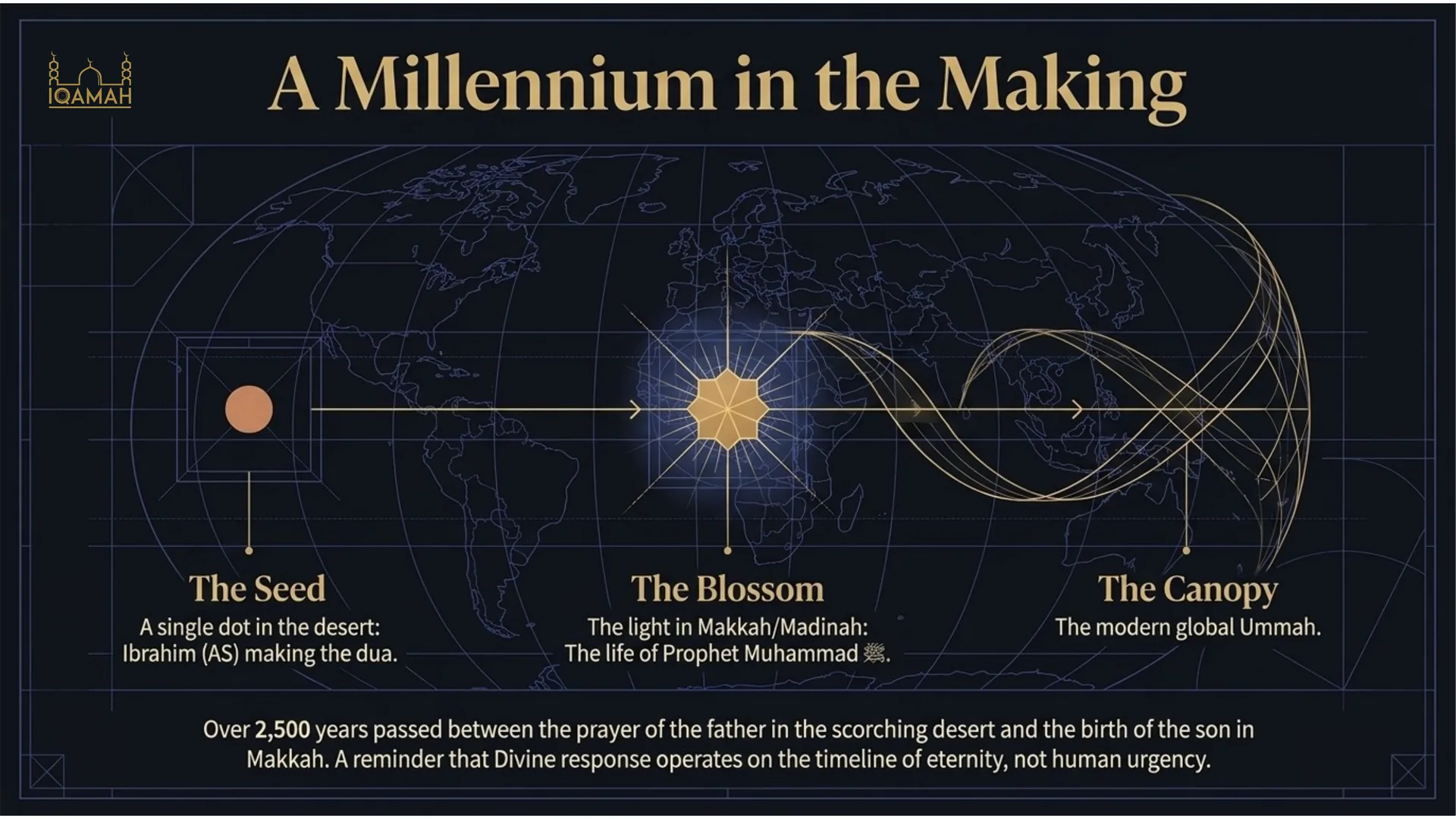
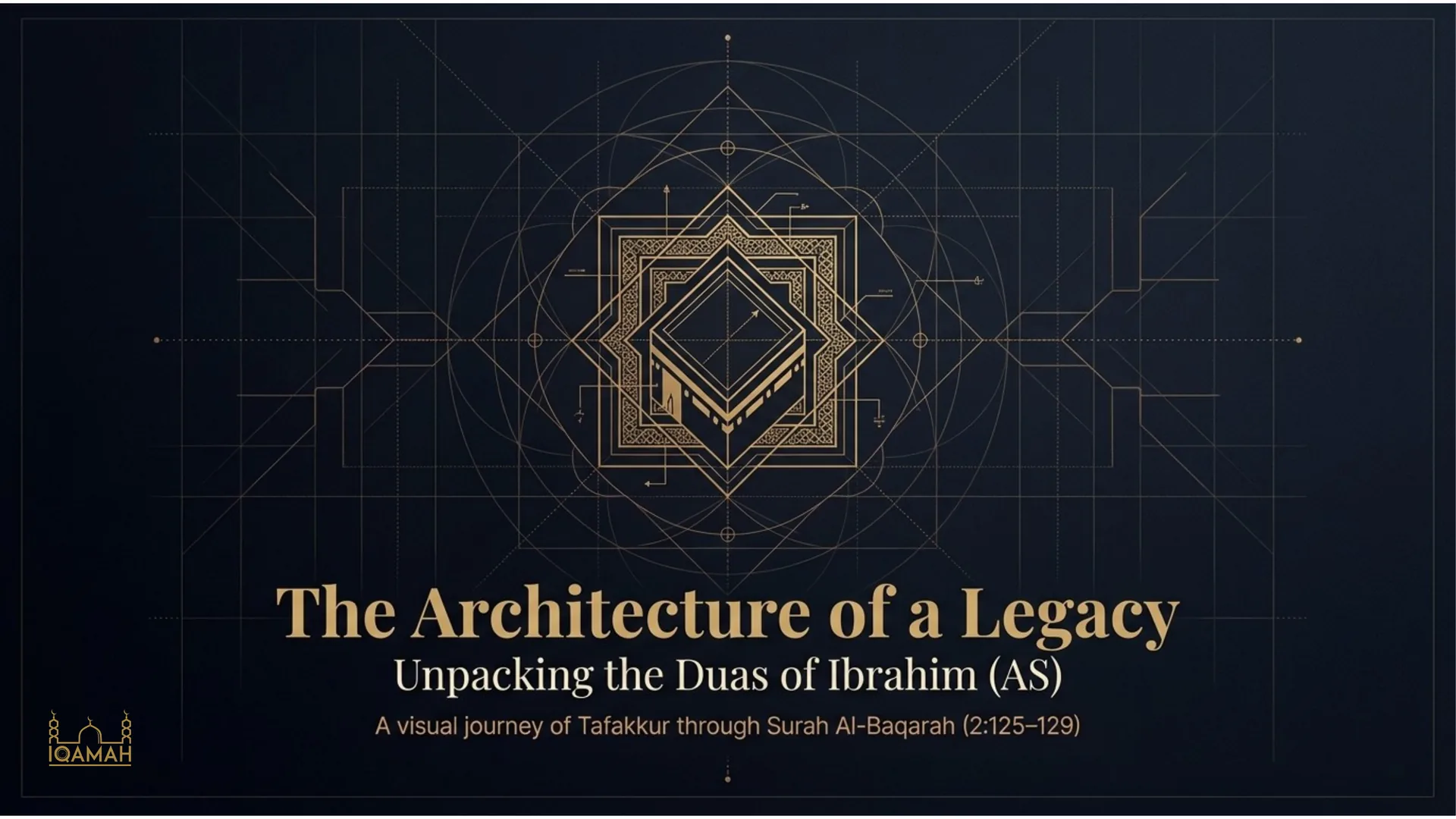
Bismillāhir-Raḥmānir-Raḥīm. Al-ḥamdu lillāhi Rabbil-ʿālamīn, wa-ṣ-ṣalātu wa-s-salāmu ʿalā Rasūlillāh ﷺ. We begin in the name of Allah ﷻ, with praise to Him and ṣalawāt upon His beloved Messenger ﷺ. Before we open the āyāt, let us place ourselves in the sūrah. We are in the heart of Sūrah al-Baqarah, in a passage that follows immediately upon Allah ﷻ taking Ibrāhīm عليه السلام through a series of trials and then announcing, “Indeed, I will make you a leader (imām) for the people” (2:124). From that appointment the Qurʾān turns to the House that this leader would raise, and to the duʿās he poured into its foundations. The setting is also a quiet argument: much of al-Baqarah is addressed to the Ahl al-Kitāb (the People of the Book), and here Allah ﷻ establishes who the true heirs of Ibrāhīm عليه السلام really are — not those who merely claim his name, but those who carry his submission and his duʿāʾ (Maʿāriful Qurʾān; Sayyid Quṭb).
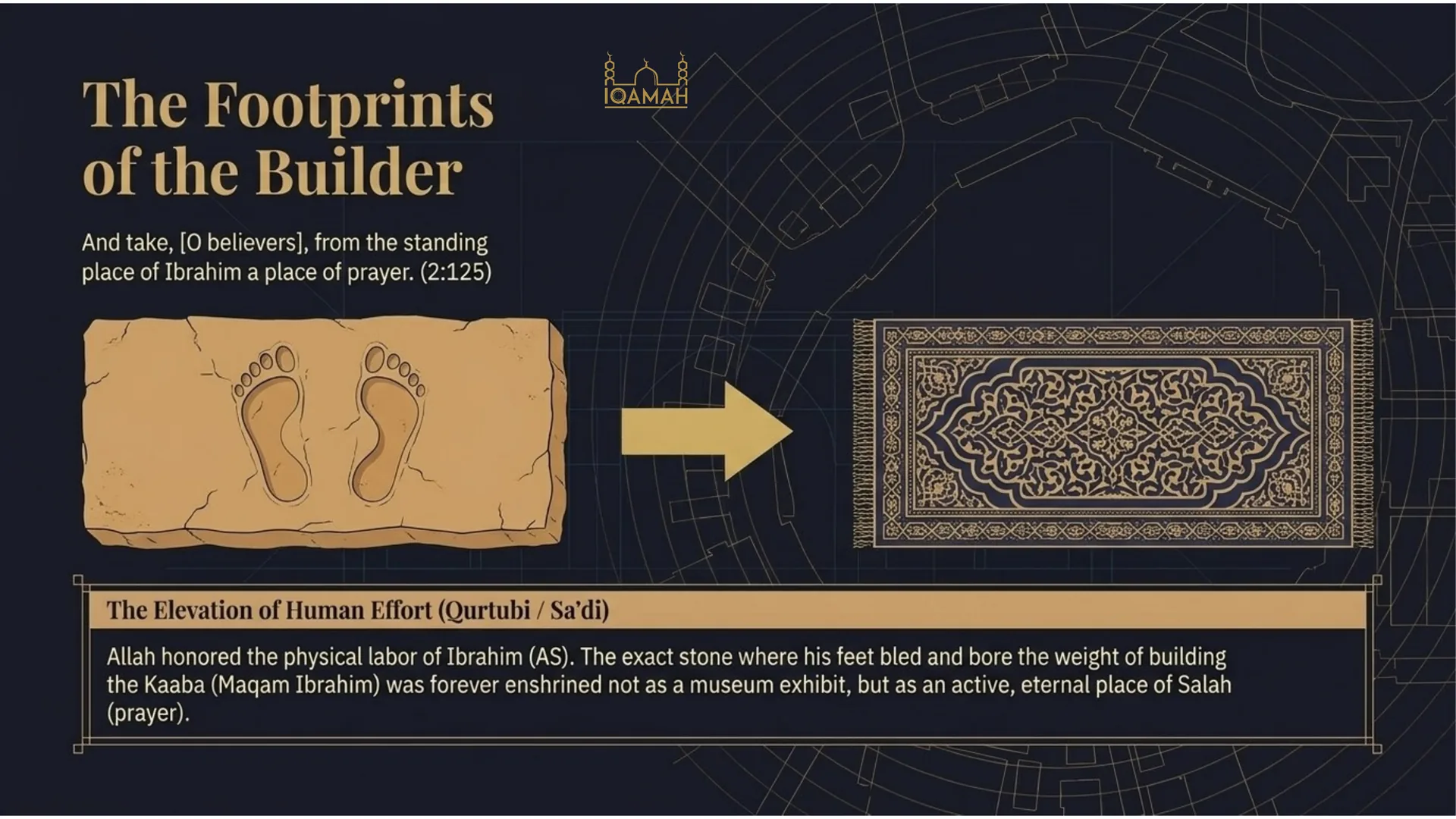
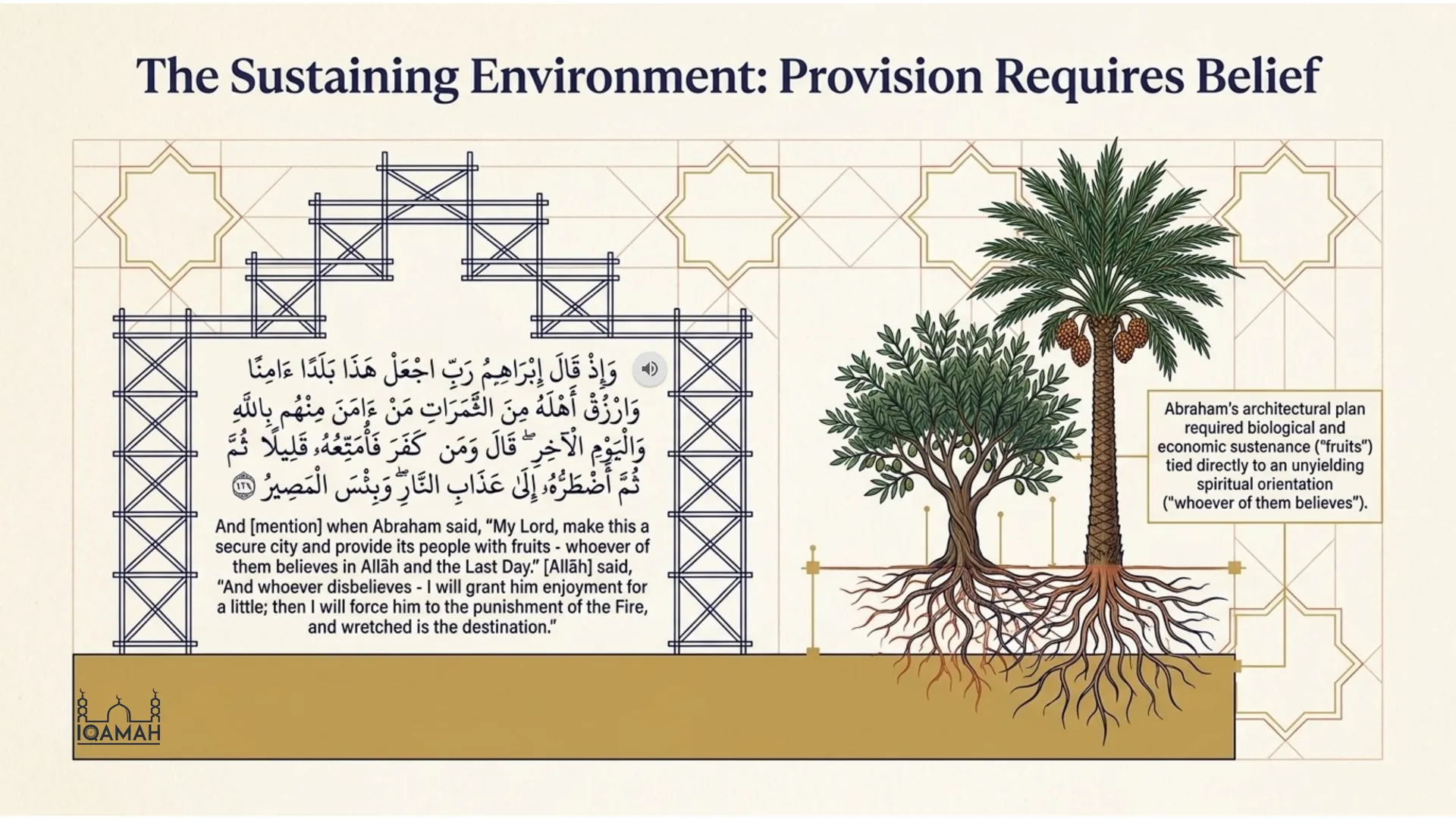
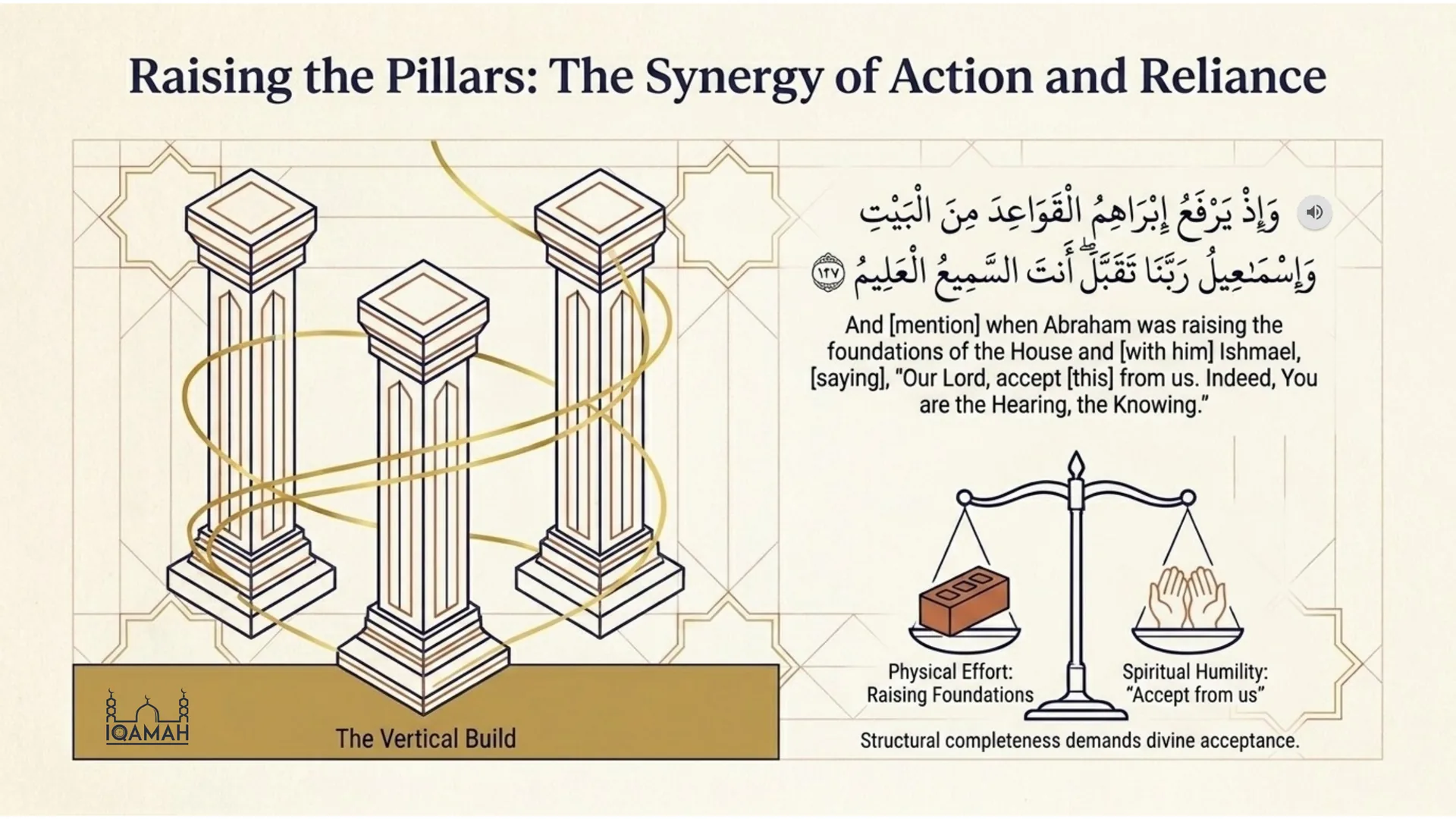
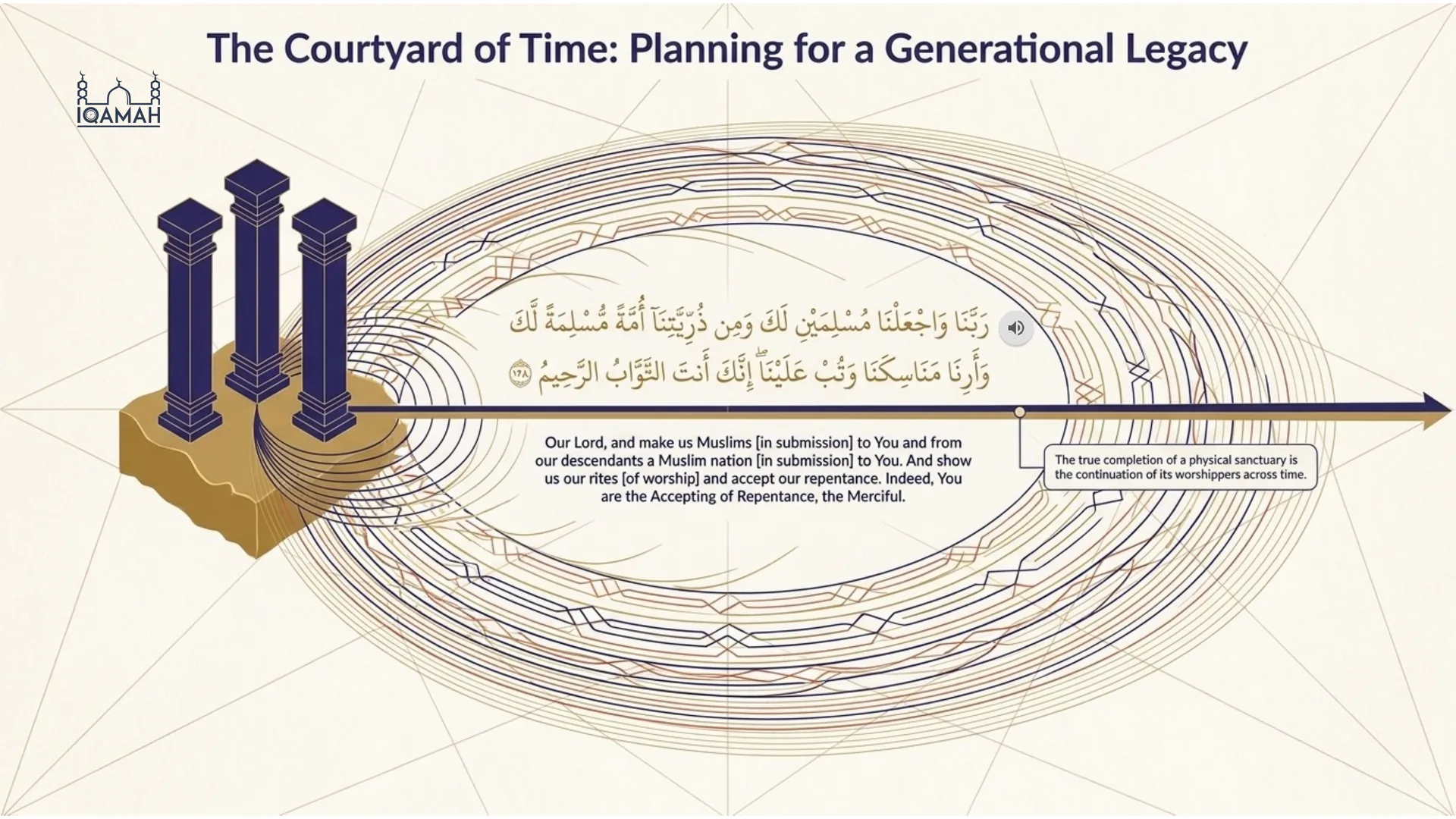
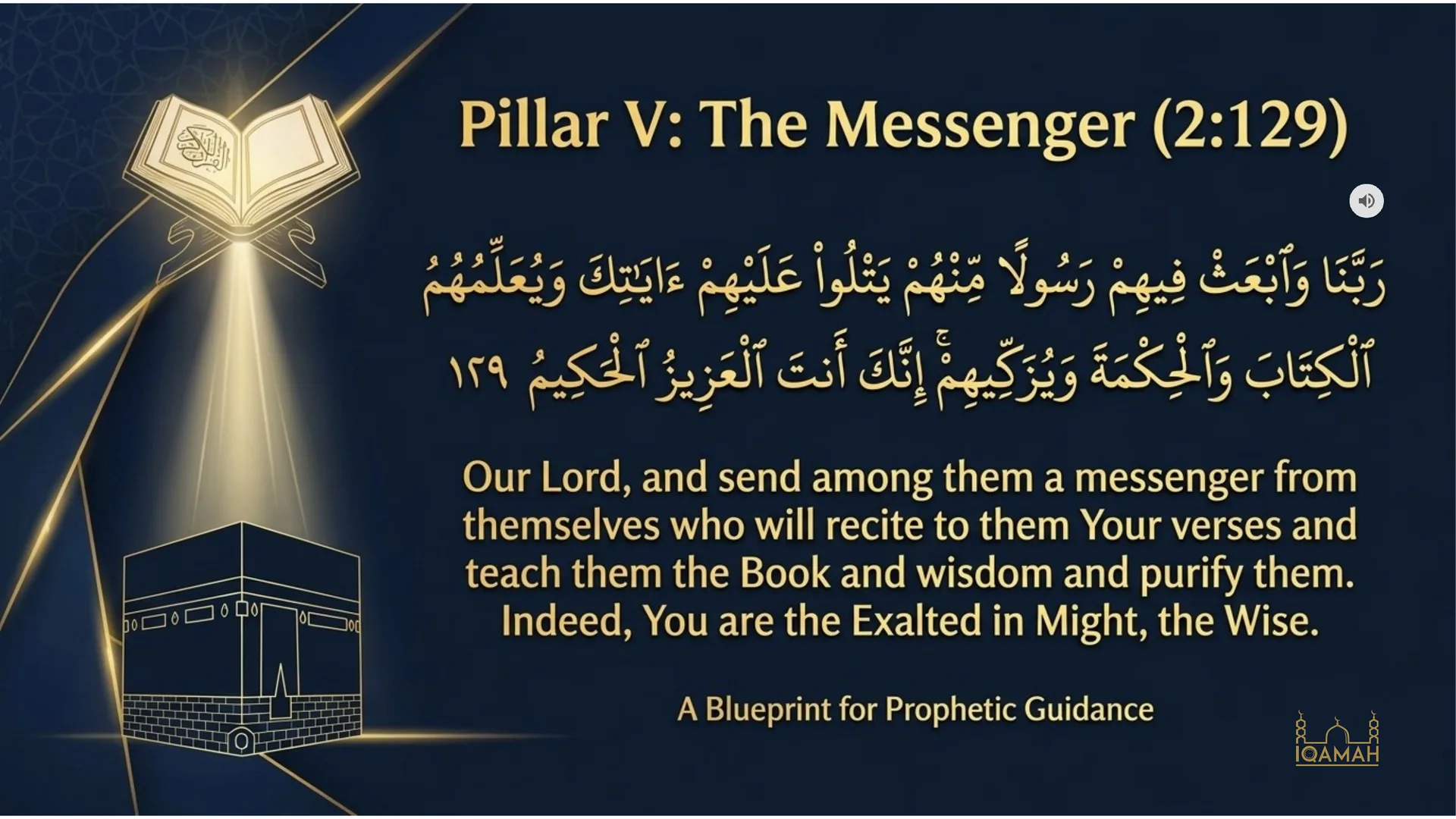
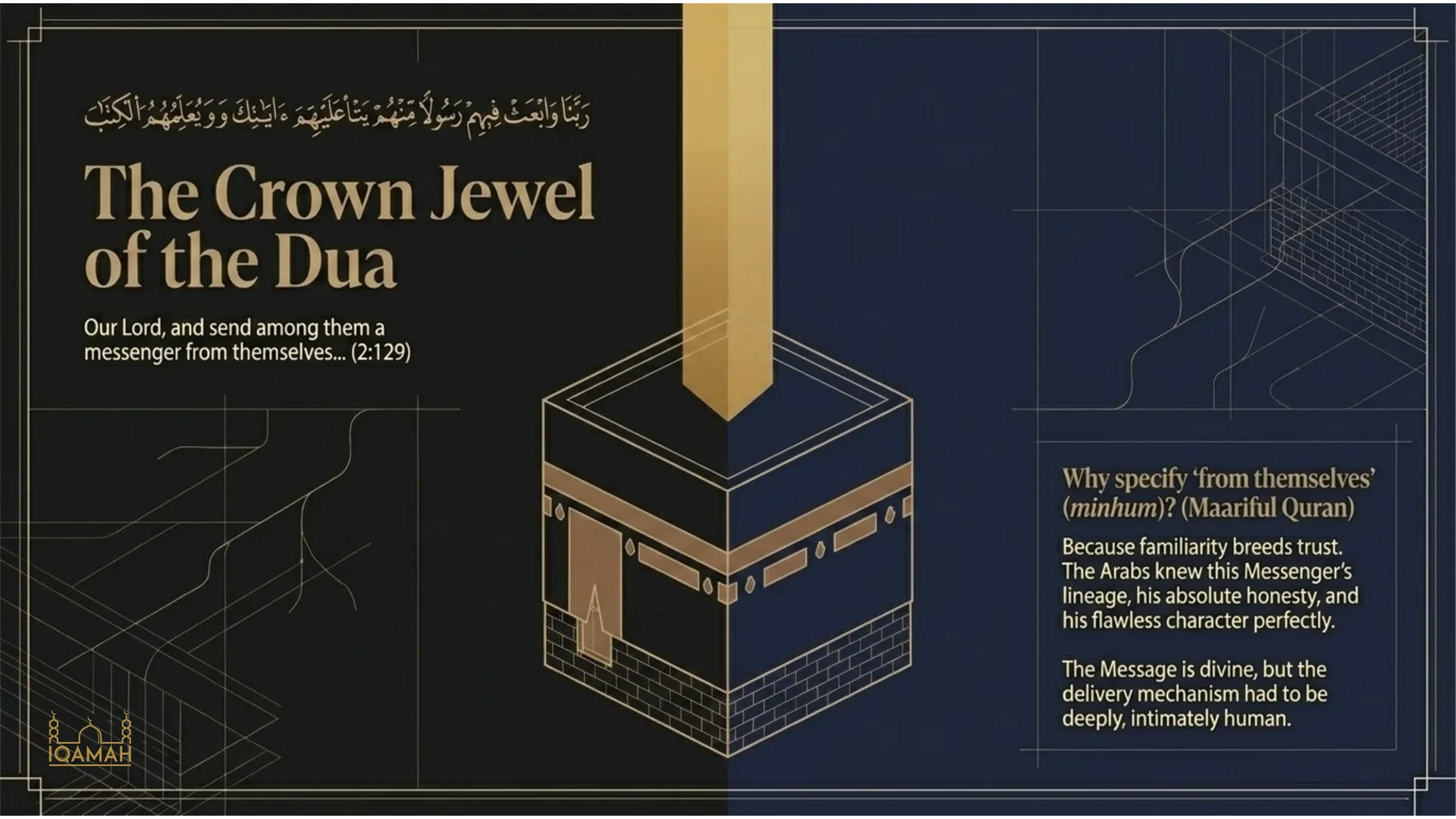
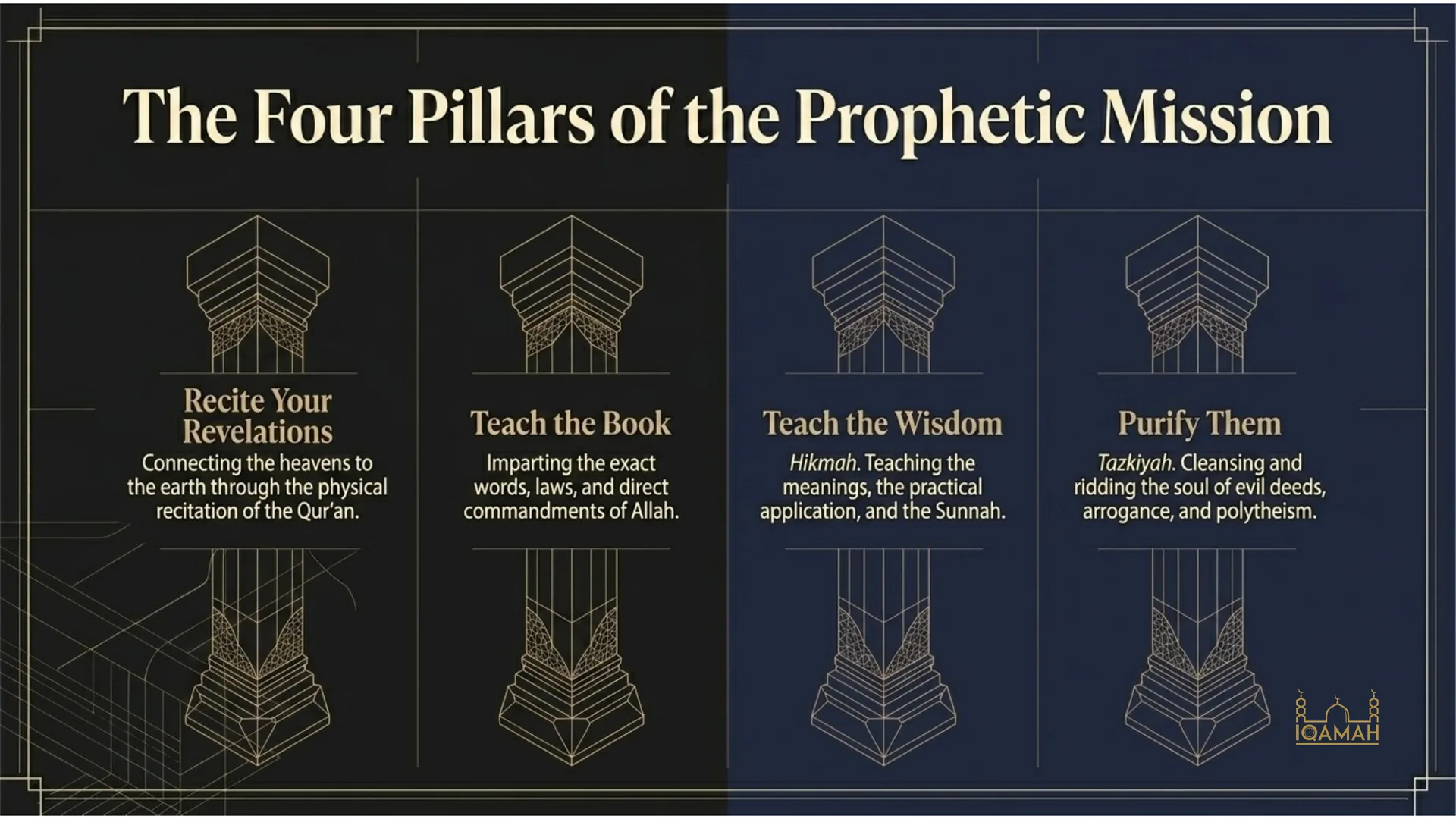
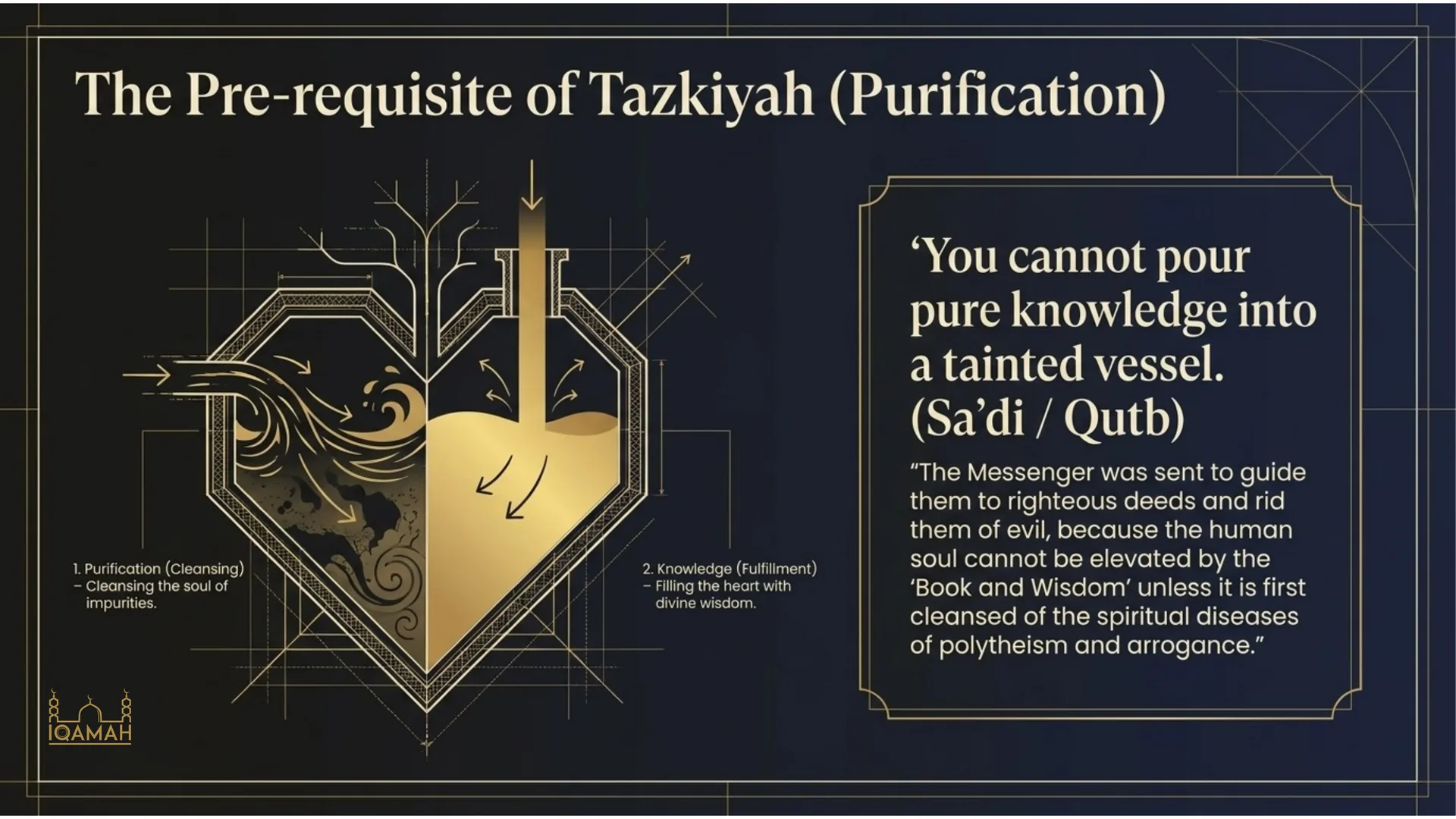
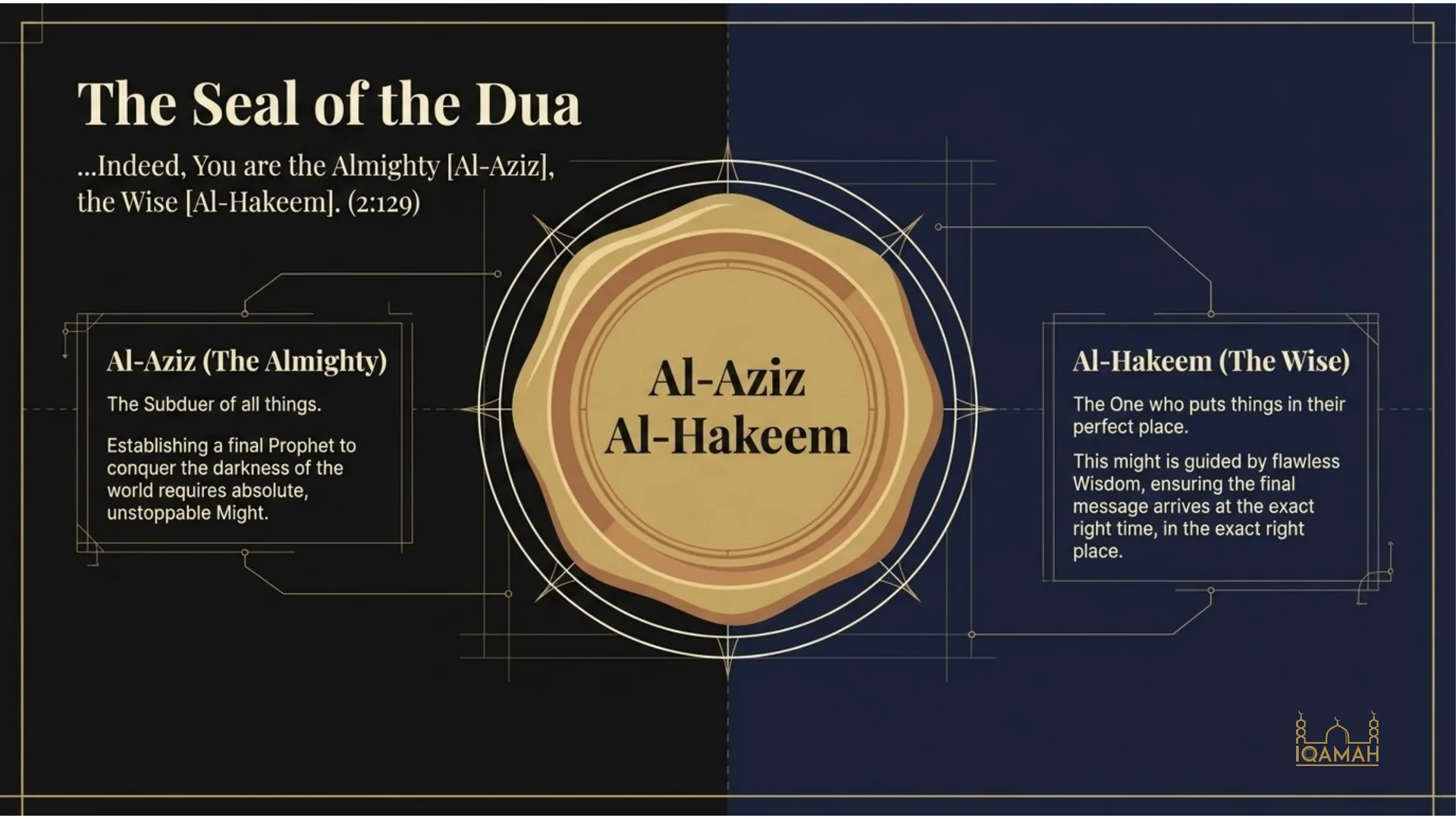
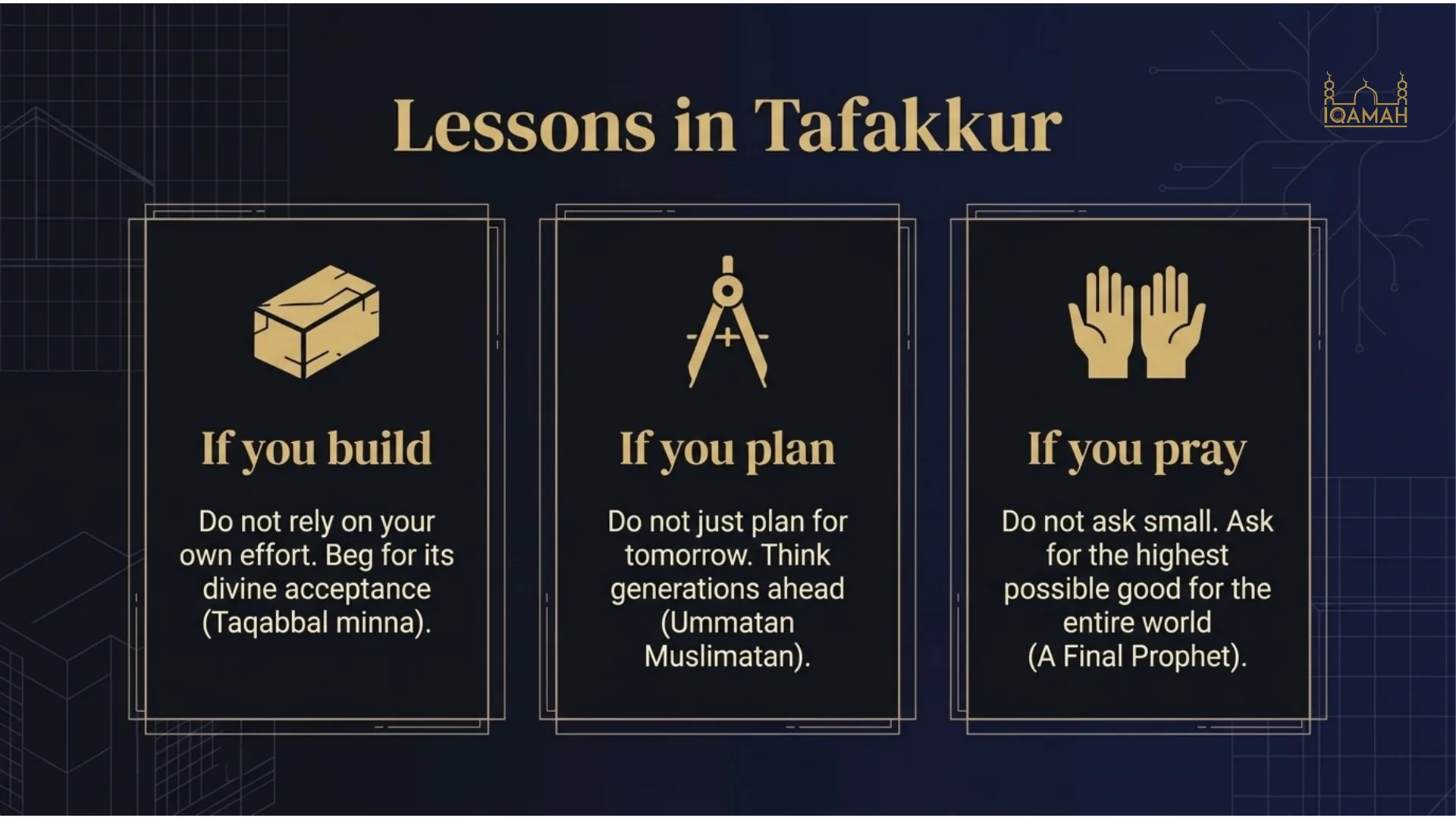
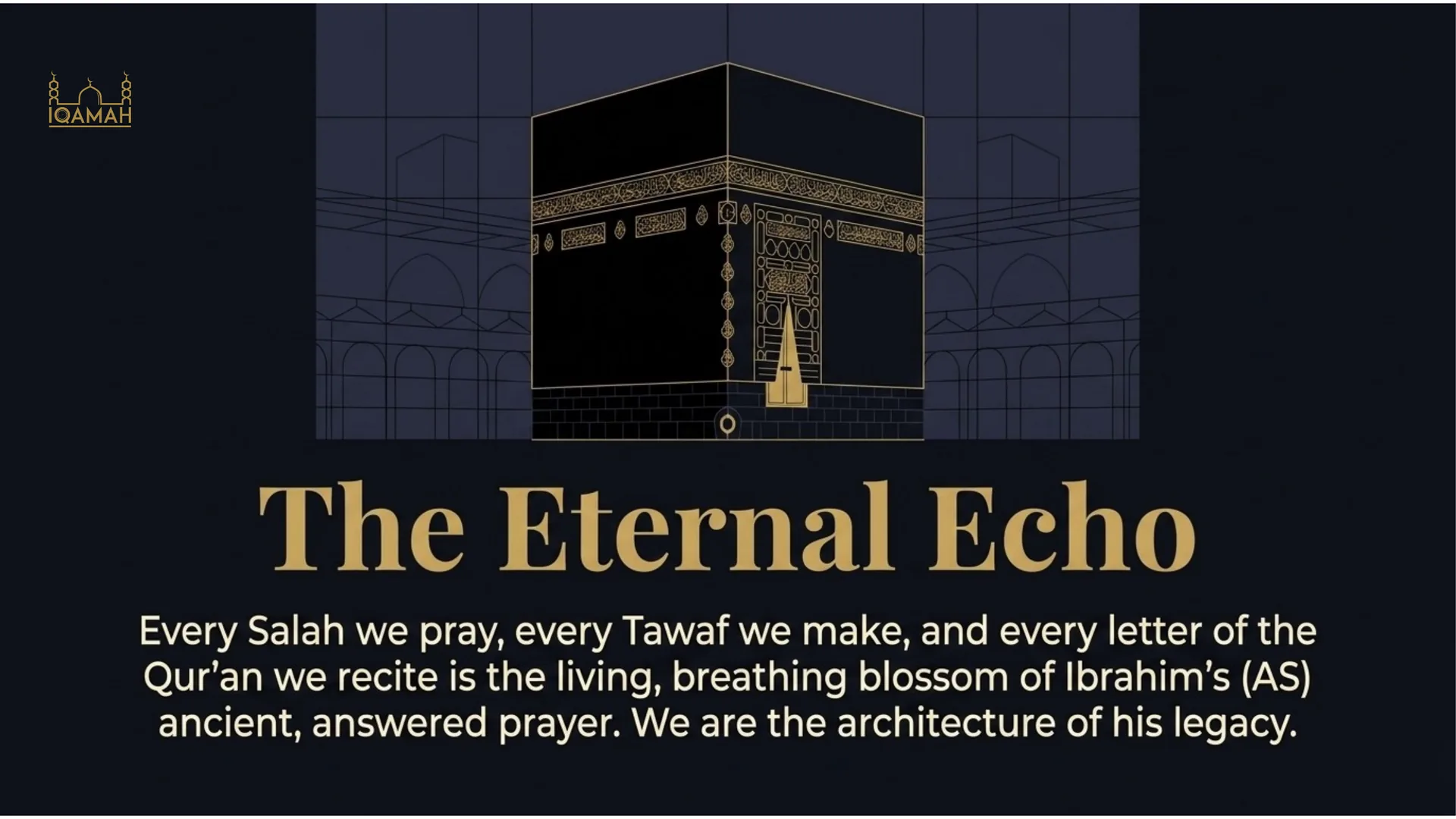
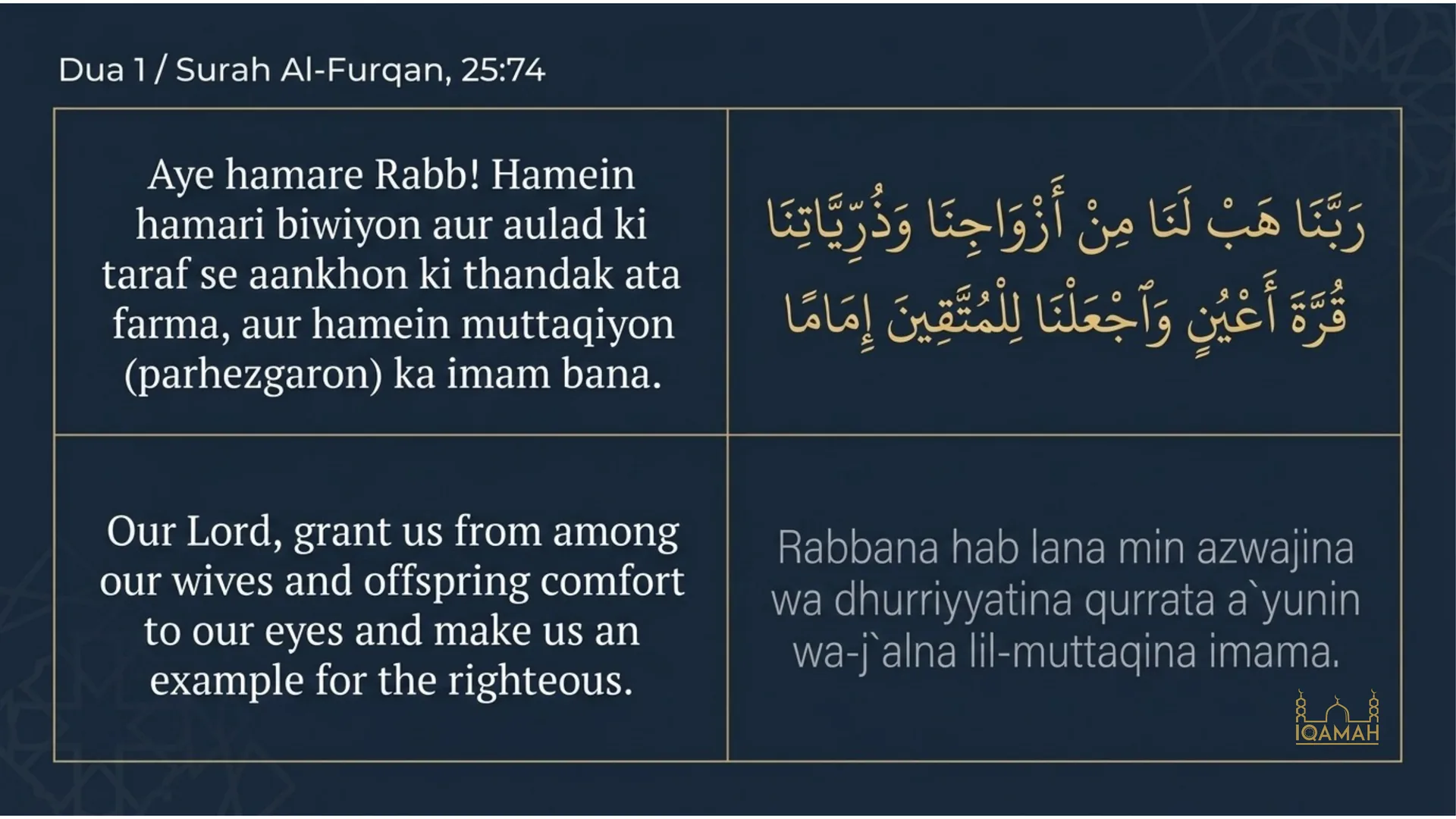
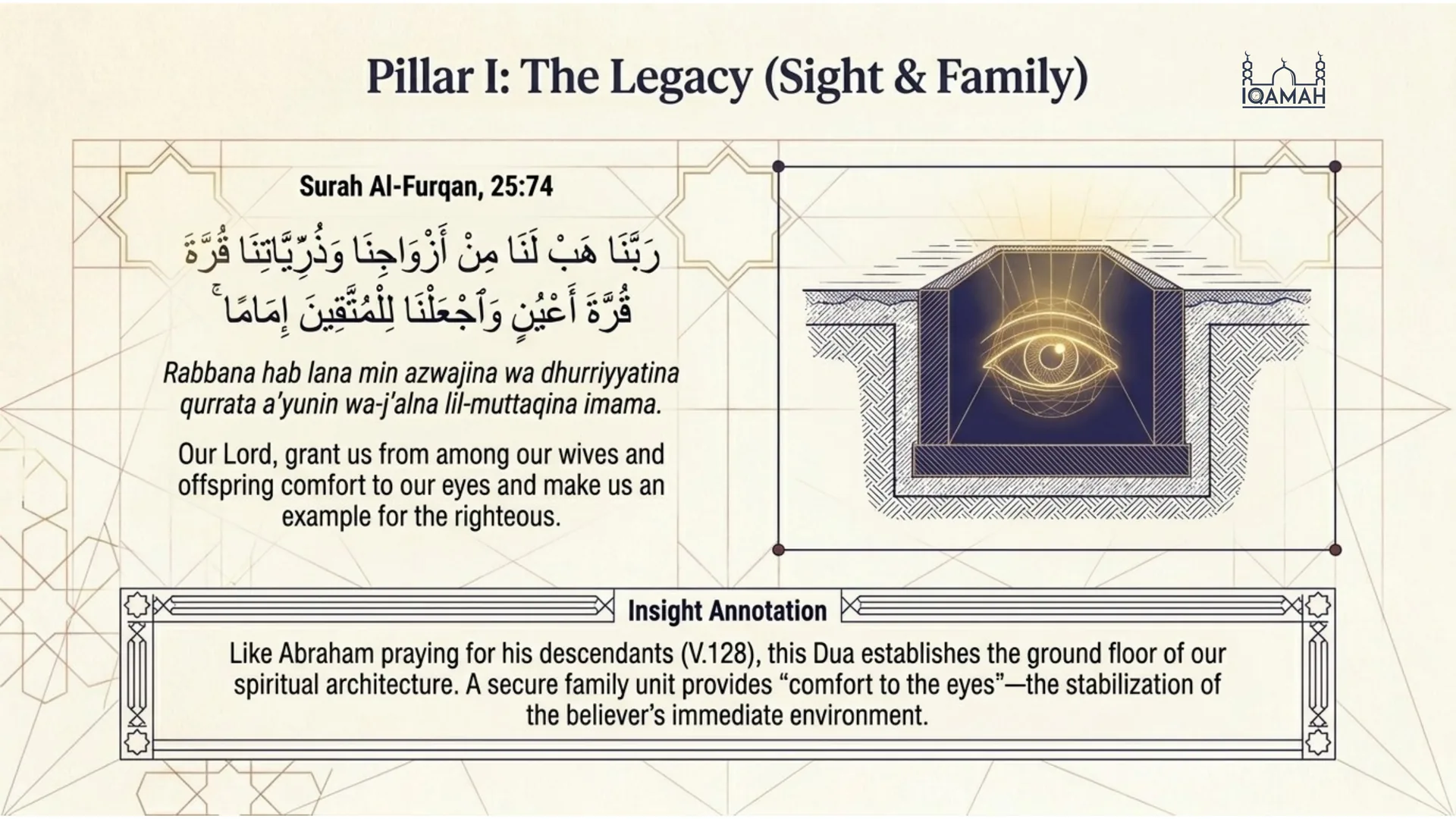
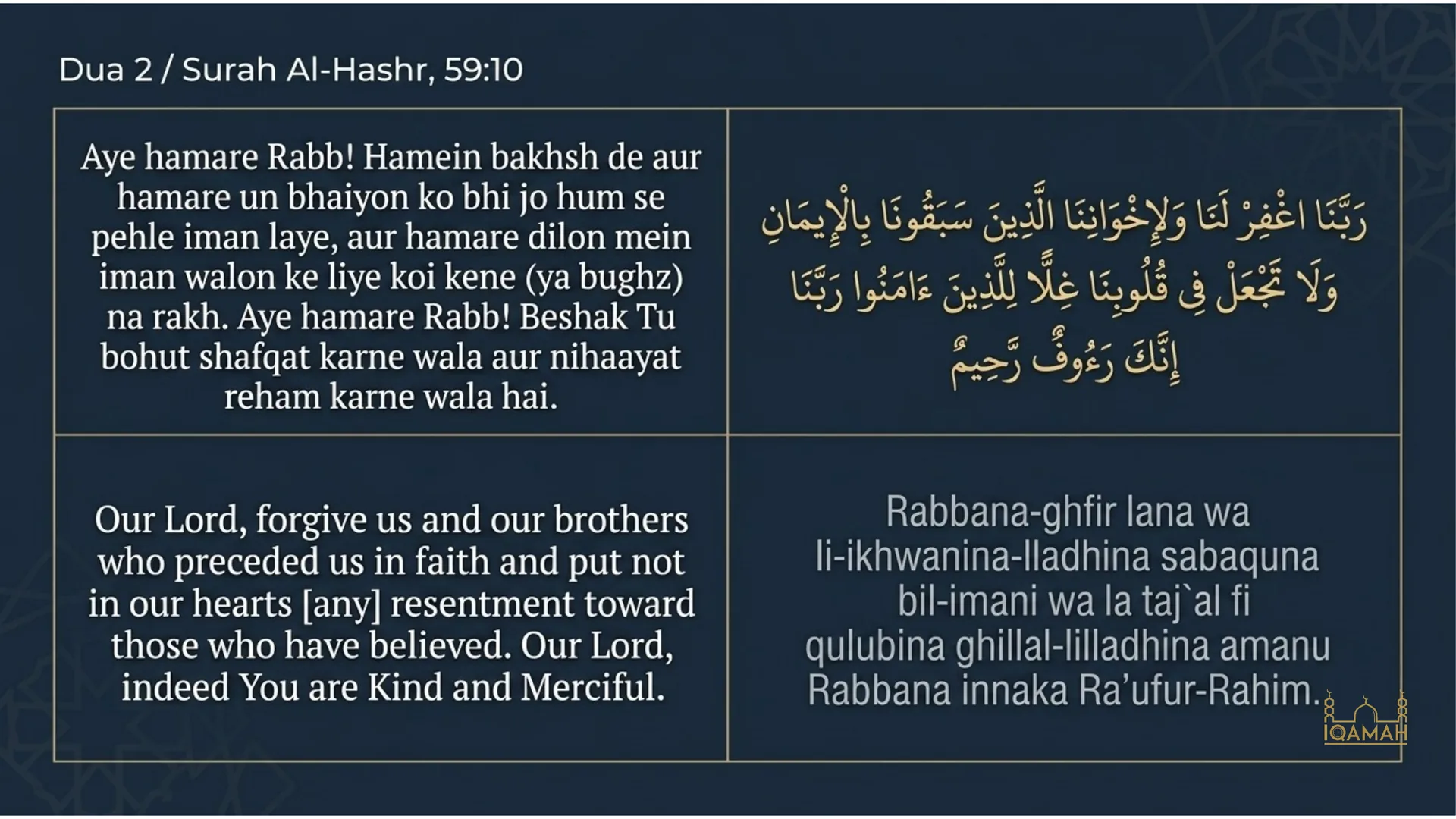
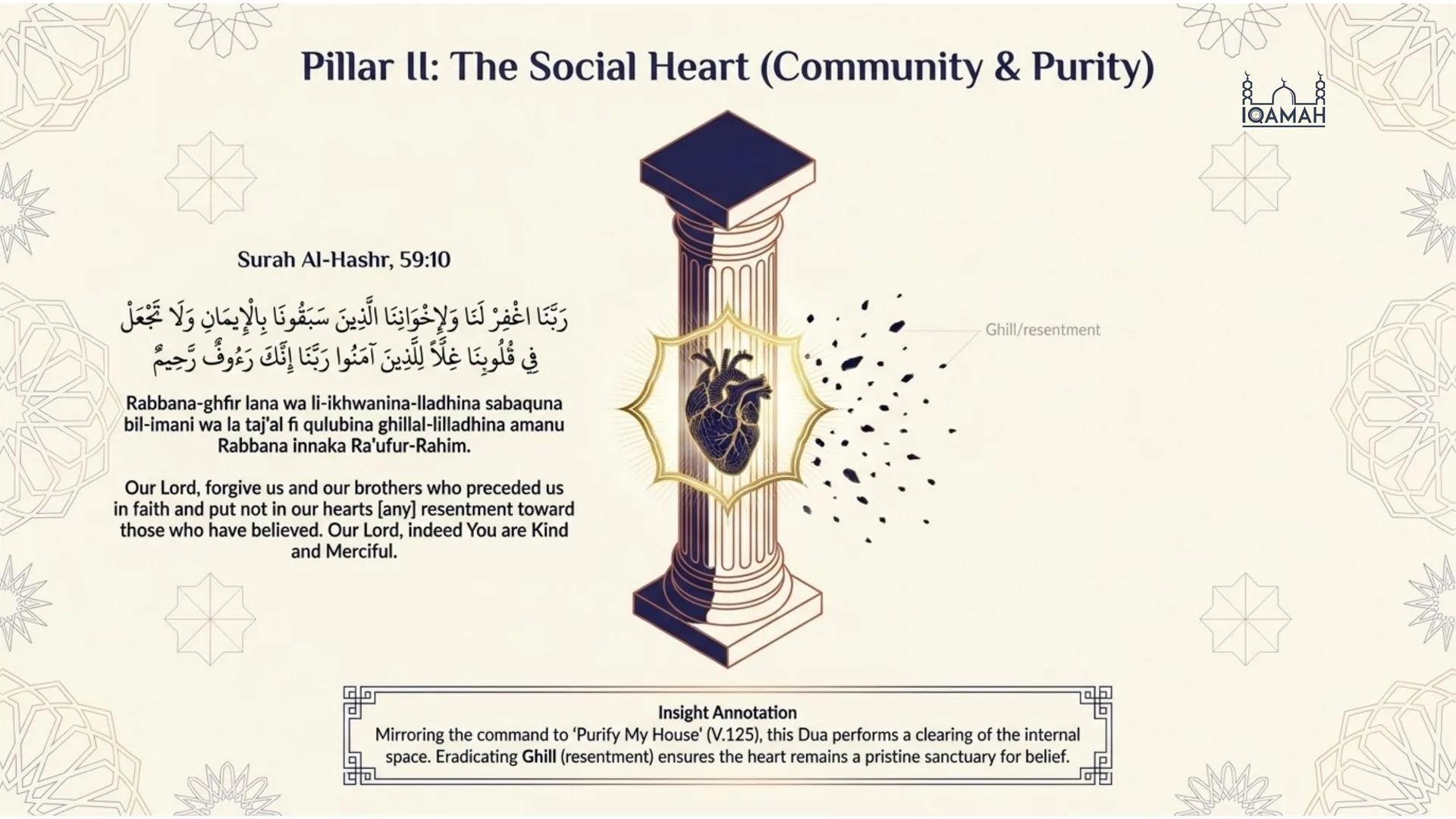
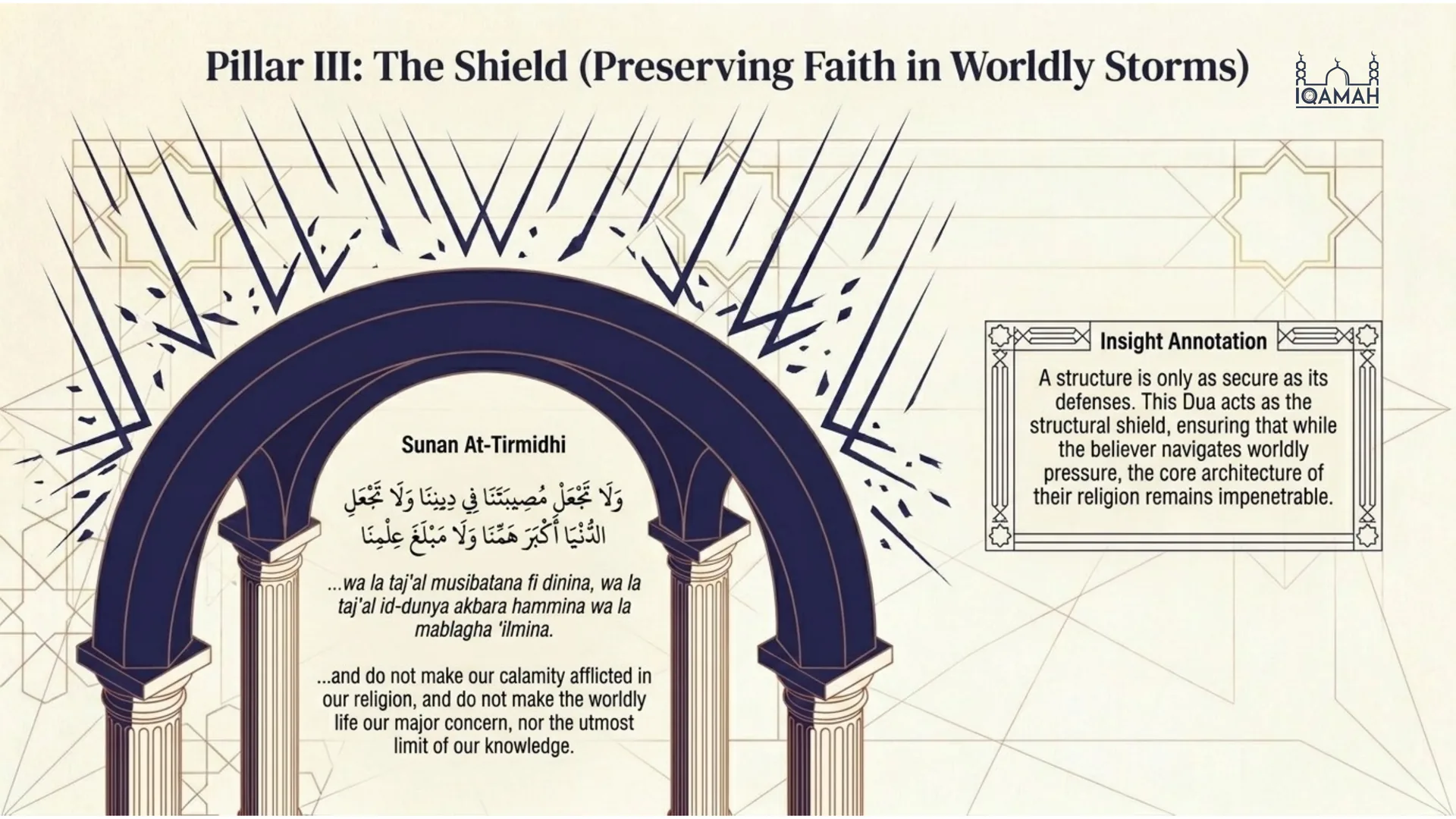
Our deck takes a single sustained image — architecture — and reads these āyāt as a blueprint. Notice how the passage interlaces two things we usually keep apart: the physical labour of building, and the lifted hands of duʿāʾ. Ibrāhīm عليه السلام lays stone upon stone, and with the same breath begs, “Our Lord, accept this from us.” That is the thread to carry across the whole dars (our gathering of study): the believer builds with his hands and begs Allah ﷻ to complete what his hands can only begin. Over these slides we will move from the foundation and its security, to the provision that sustains it, to the raising of the pillars, to the courtyard built for generations yet unborn, and finally to the crown of the whole structure — the duʿāʾ for a Messenger. Bismillāh, let us begin.