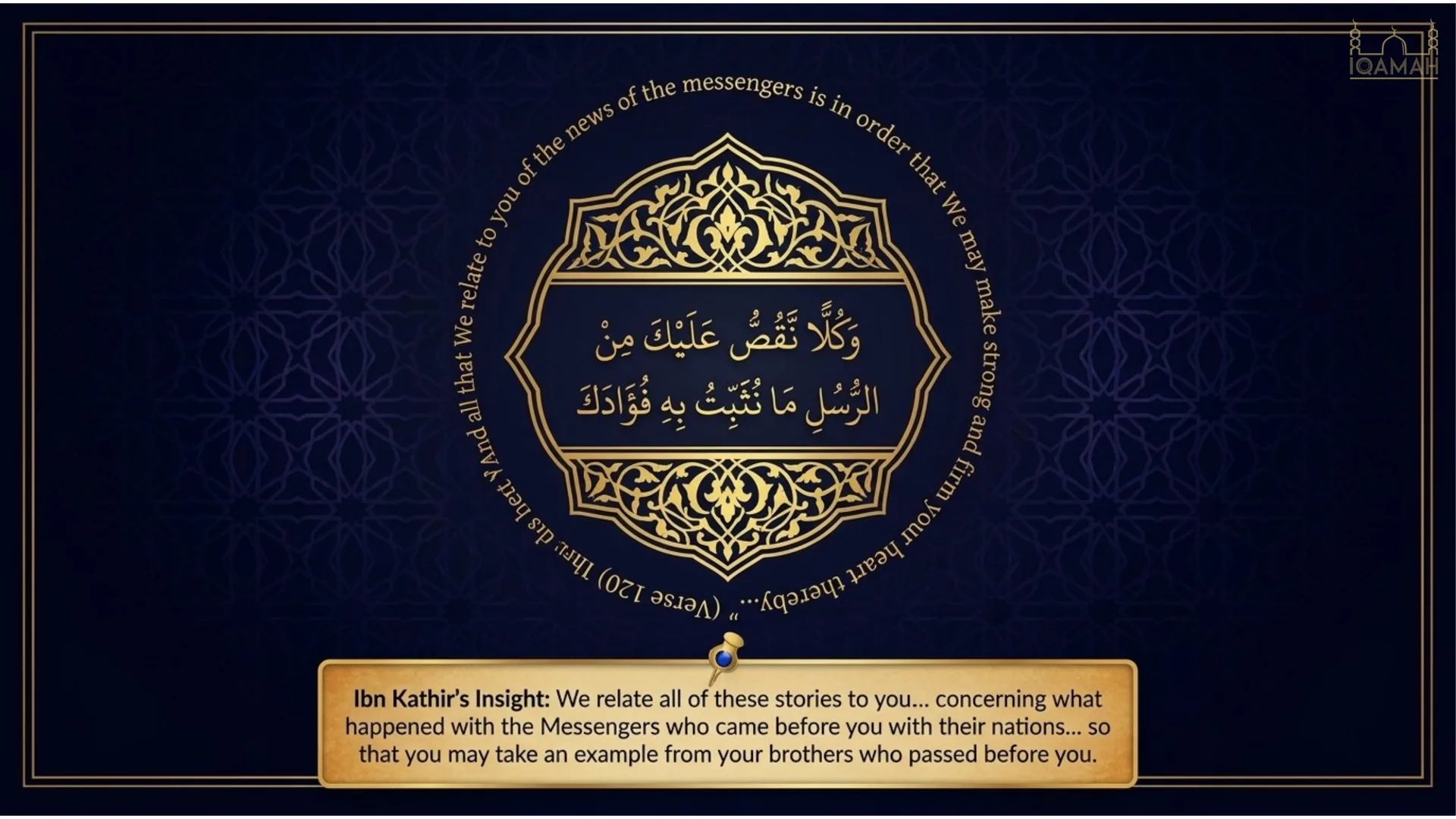
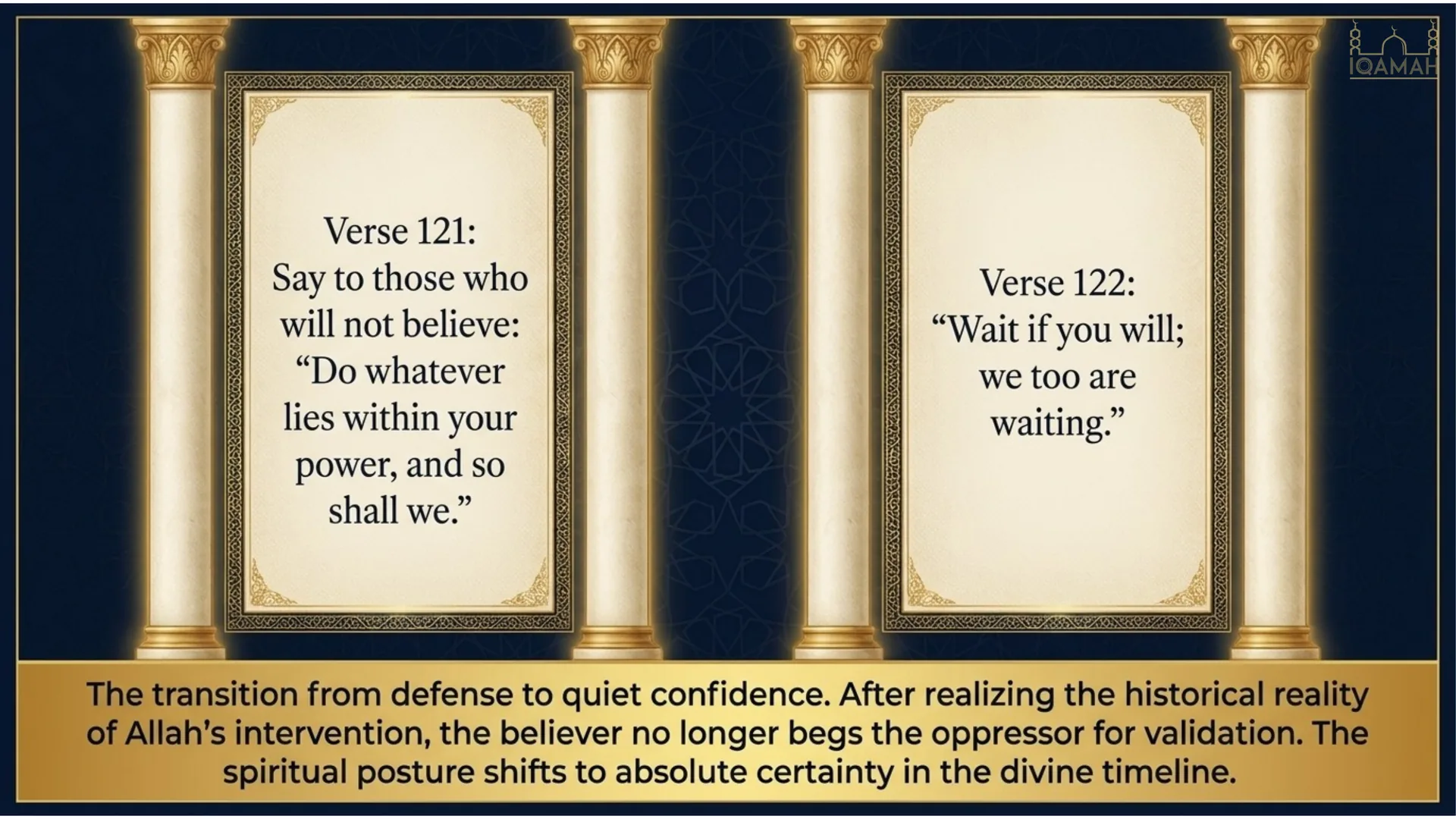
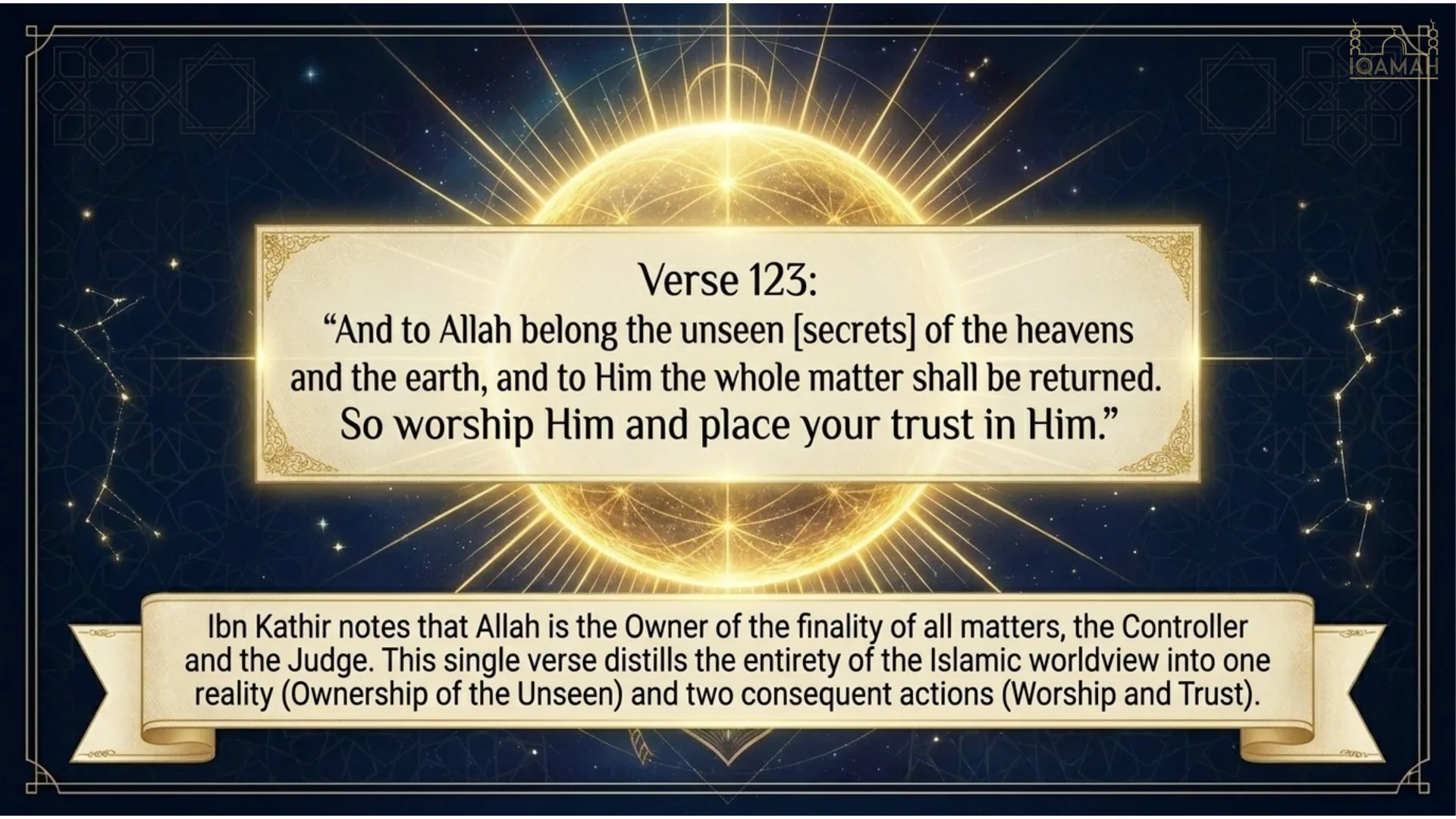
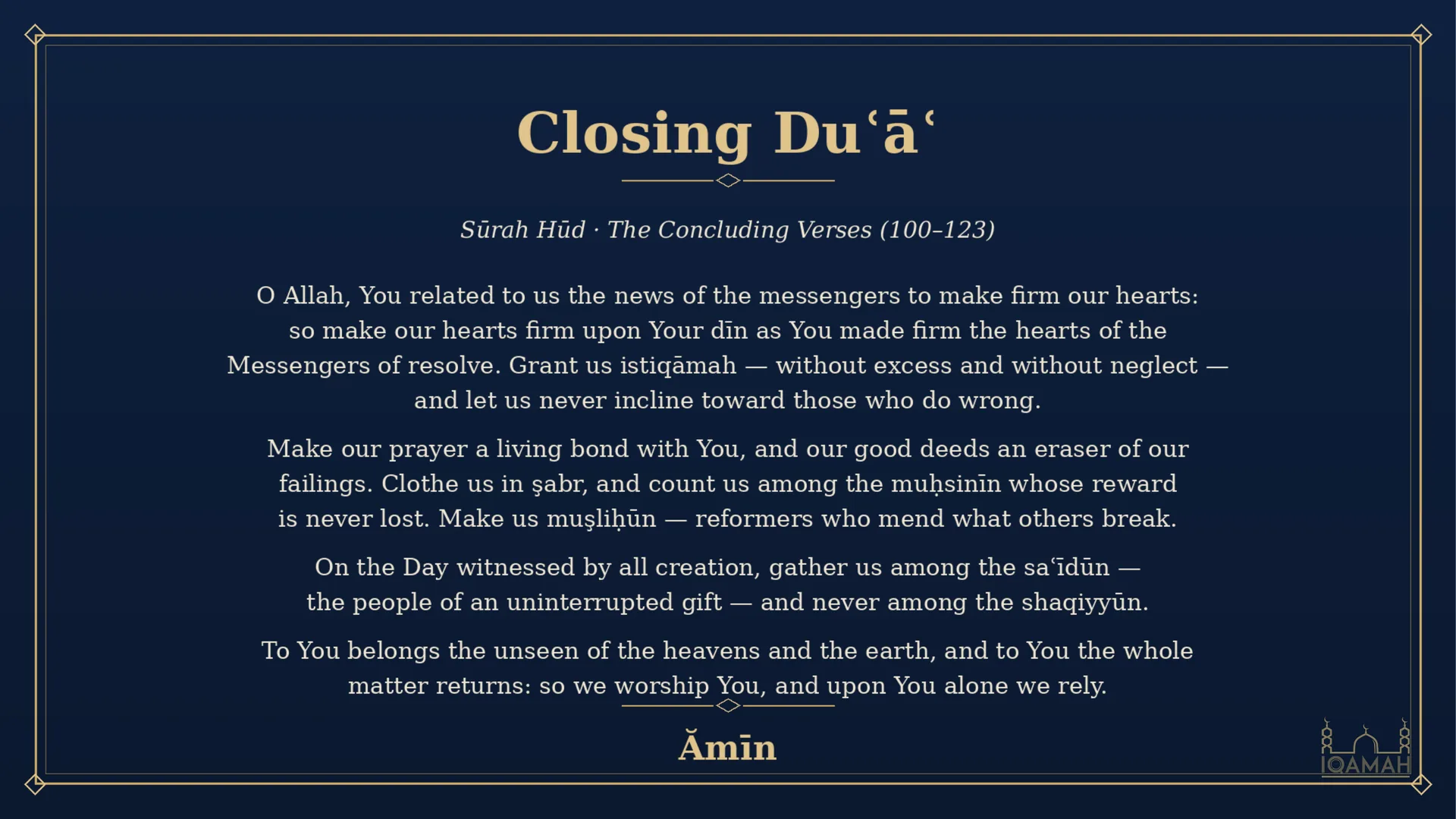
The prescription opens by steadying the Prophet’s ﷺ own certainty, and the certainty of every believer after him:
فَلَا تَكُ فِى مِرْيَةٍۢ مِّمَّا يَعْبُدُ هَٰٓؤُلَآءِ ۚ مَا يَعْبُدُونَ إِلَّا كَمَا يَعْبُدُ ءَابَآؤُهُم مِّن قَبْلُ ۚ وَإِنَّا لَمُوَفُّوهُمْ نَصِيبَهُمْ غَيْرَ مَنقُوصٍۢ
“So do not be in doubt, [O Muhammad], as to what these [polytheists] are worshipping. They worship not except as their fathers worshipped before. And indeed, We will give them their share undiminished.”
Sūrah Hūd 11:109 — Saheeh International
وَلَقَدْ ءَاتَيْنَا مُوسَى ٱلْكِتَٰبَ فَٱخْتُلِفَ فِيهِ ۚ وَلَوْلَا كَلِمَةٌۭ سَبَقَتْ مِن رَّبِّكَ لَقُضِىَ بَيْنَهُمْ ۚ وَإِنَّهُمْ لَفِى شَكٍّۢ مِّنْهُ مُرِيبٍۢ
“And We had certainly given Moses the Scripture, but it came under disagreement. And if not for a word that preceded from your Lord, it would have been judged between them. And indeed they are, concerning the Qur'an, in disquieting doubt.”
Sūrah Hūd 11:110 — Saheeh International
وَإِنَّ كُلًّۭا لَّمَّا لَيُوَفِّيَنَّهُمْ رَبُّكَ أَعْمَٰلَهُمْ ۚ إِنَّهُۥ بِمَا يَعْمَلُونَ خَبِيرٌۭ
“And indeed, each [of the believers and disbelievers] - your Lord will fully compensate them for their deeds. Indeed, He is Acquainted with what they do.”
Sūrah Hūd 11:111 — Saheeh International
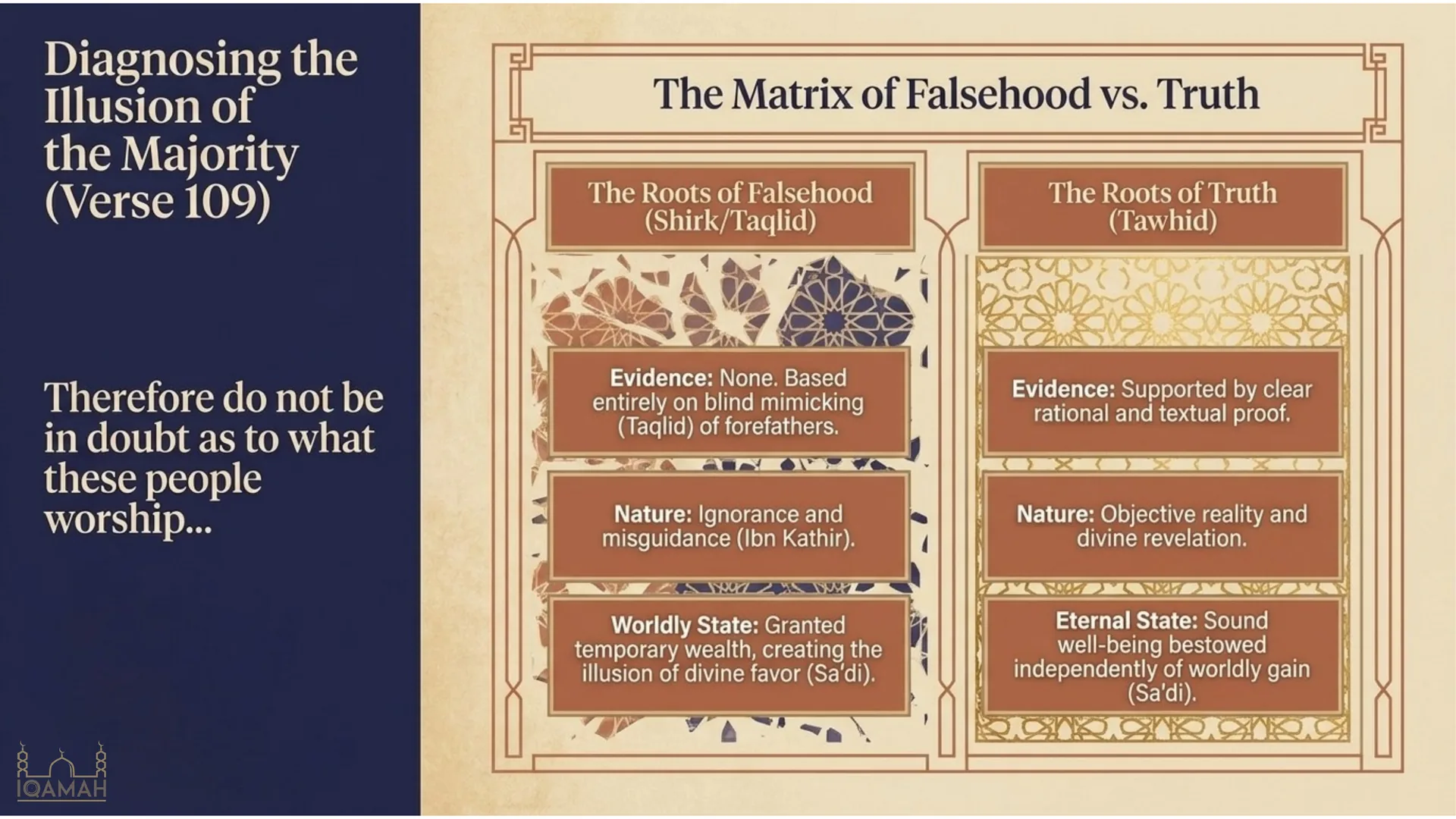
Do not doubt their falsehood (109). “So do not be in doubt as to what these worship; they worship only as their fathers worshipped before.” Sayyid Quṭb makes a fine observation about the address: it is spoken to the Prophet ﷺ, but the real audience is his people — stating the matter as objective truth explained by Allah to His Messenger, which is more devastating than direct argument, because it treats the false worship as beneath debate. Its only foundation is taqlīd, blind imitation of the forefathers, with no rational or revealed proof beneath it — the precise opposite of tawḥīd, which stands on clear evidence. “And indeed, We will give them their share undiminished” — their full recompense will come.
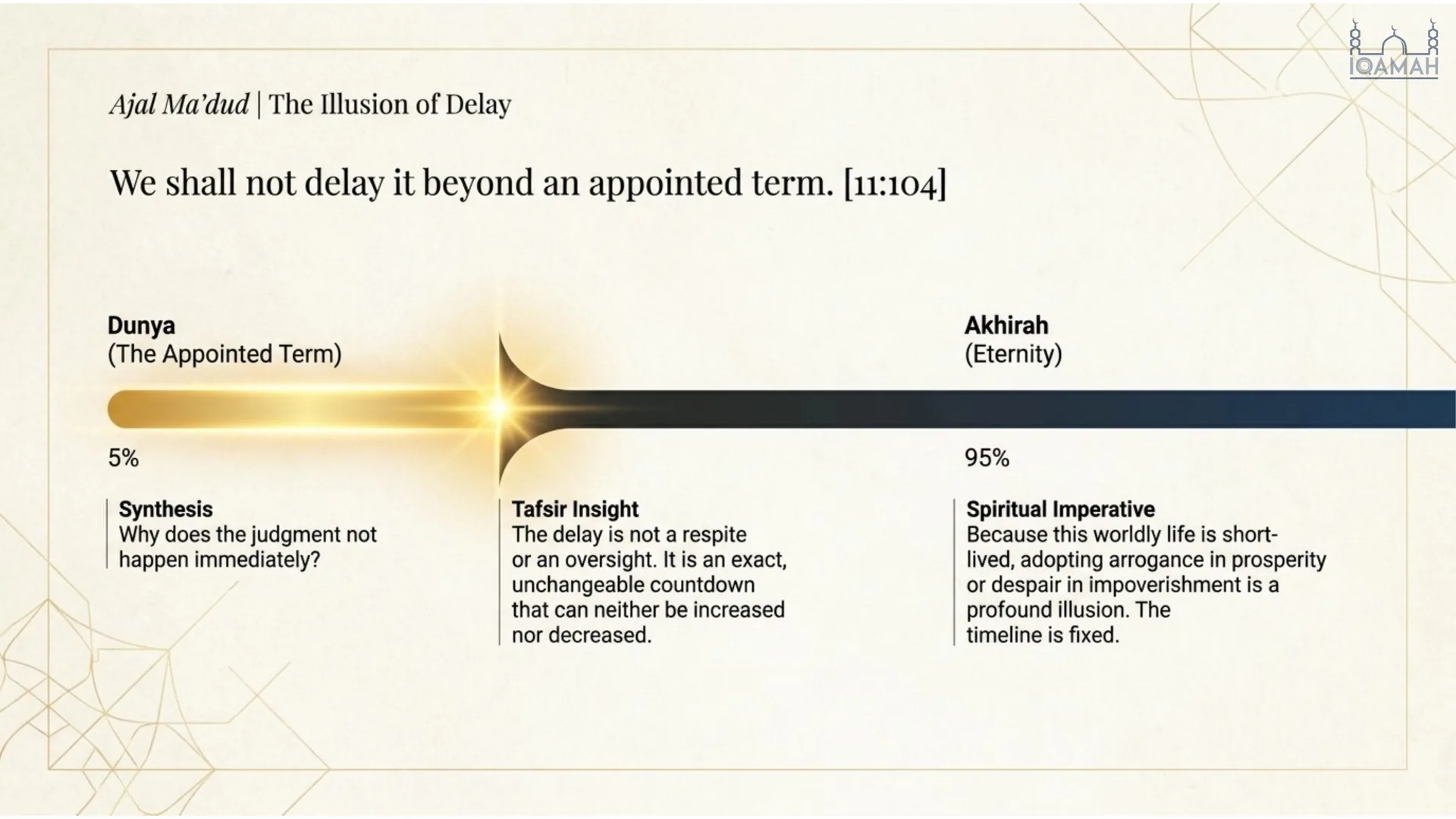
The Scripture and the deferred word (110–111). “We gave Moses the Scripture, but it came under disagreement.” The pattern is ancient: even a revealed Book becomes the object of dispute. “And if not for a word that preceded from your Lord, it would have been judged between them” — Quṭb explains that the bearers of Scripture were not annihilated wholesale precisely because their Books remained as guidance for later generations, and so their final reckoning was deferred to the Day of Judgement. And the section seals itself with certainty (111): “Each — your Lord will fully recompense them for their deeds.” The repeated, emphatic assurance is deliberate, so that the very delay of accountability never becomes, in anyone’s heart, a doubt about its inevitability.